
This post contains affiliate links. If you buy through our links, we may earn a commission at no extra cost to you.
Cockroaches are one of the hardest pests to eliminate because most people treat the symptoms, not the colony. Here’s the complete strategy that actually works.
⭐ Our Top Picks for Roach Control:
• Advion Cockroach Gel Bait — Syngenta 383920 Advion Cockroach Gel Bait 4 X 30 Gram Tubes Roach Control
• Combat Max 12-Month Roach Killing Bait — Combat Max Roach Killing Bait, Large Roaches, Kills the Nest, 8 Count
• Harris Boric Acid Roach Powder — HARRIS Boric Acid Roach and Silverfish Killer Powder w/Lure for Insects (16oz)
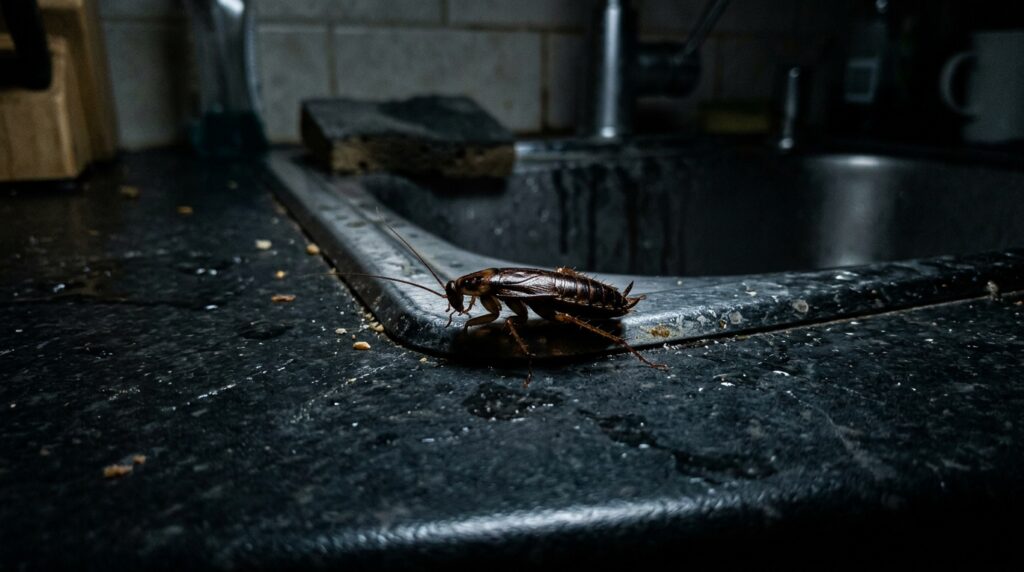
You killed one. Then another. Then you found the droppings behind the toaster. And now you’re wondering how bad it actually is.
Here’s the hard truth: the cockroaches you see are a small fraction of what’s actually living in your walls, under your appliances, and inside your cabinets. Roaches are nocturnal and fast-reproducing — a single female German cockroach can produce up to 300 offspring in her lifetime. By the time they’re visible during the day, the colony is already large.
The good news is that DIY treatment genuinely works — but only if you use the right products in the right order. This guide covers exactly how to get rid of cockroaches in your home, from identifying the species to eliminating the colony at its source.
Quick answer: Gel bait (Advion or Combat Max) placed in small dots near roach activity is the most effective DIY treatment — it reaches the whole colony, not just the roaches you see. Sprays kill on contact but don’t solve the problem. Use bait as your primary weapon, boric acid as a secondary layer, and seal entry points to prevent reinfestation.
Step 1: Identify the Species — It Changes Everything
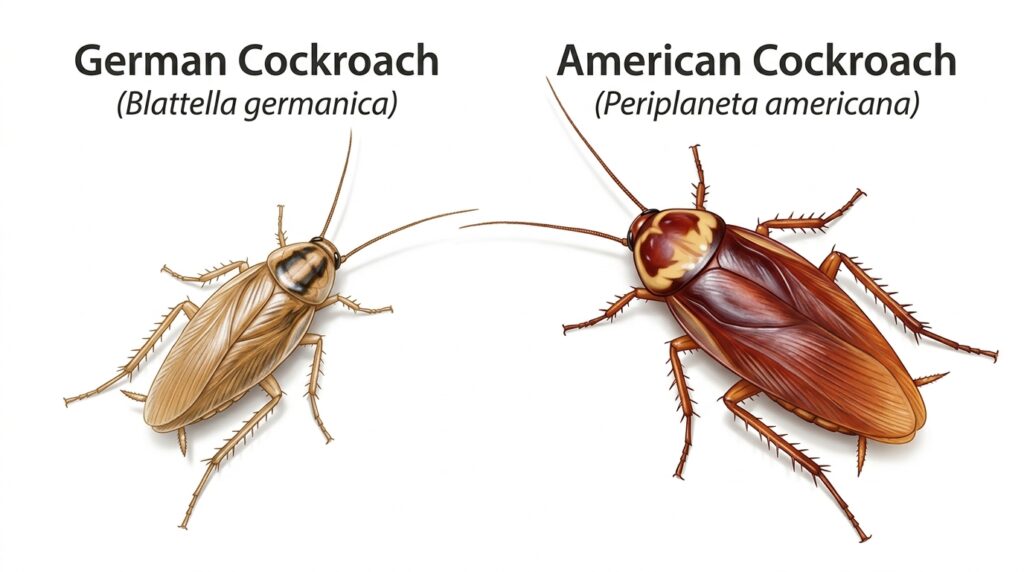
There are two very different roach problems, and they require different strategies:
German Cockroaches (the hard one)
Small (½ to ⅝ inch), tan or light brown, with two dark stripes behind the head. These live exclusively indoors — in kitchens and bathrooms, close to food, water, and heat. They reproduce extremely fast and are the species behind most serious home infestations.
German roaches are the hardest to eliminate and the most common. If you see small roaches near your stove, refrigerator, dishwasher, or under the sink, this is almost certainly what you have.
American Cockroaches (the big ones)
Large (1.5–2 inches), reddish-brown. These primarily live outdoors and in sewers, entering homes through drains, cracks in the foundation, or under doors. Seeing one or two occasionally is common and doesn’t necessarily mean an infestation — but seeing them regularly indoors does.
The treatment approach below works for both, but German roaches require more intensive treatment and more patience.
Step 2: Find Where They’re Living
Before you treat, you need to know where the infestation is concentrated. Roaches spend most of their time in harborage areas — tight, dark, warm spaces close to food and water. Treating the right spots is the difference between success and failure.
Most common roach harborage areas:
- Under and behind the refrigerator (motor generates heat — roaches love it)
- Under and behind the stove, especially around the pilot light area
- Inside the dishwasher motor compartment and under the sink
- Inside cabinet hinges and the void between cabinets and the wall
- Behind the kickplate at the base of kitchen cabinets
- Around plumbing penetrations under sinks and behind toilets
- Inside electrical outlets and junction boxes (yes, really)
To confirm harborage: use a flashlight and inspect these areas at night, when roaches are most active. You can also use a sticky glue trap placed in multiple locations for 24–48 hours — the trap with the most catches tells you where to focus treatment.
Step 3: Apply Gel Bait — Your Primary Weapon
Gel bait is the most effective cockroach treatment available to homeowners — more effective than sprays, bombs, or traps alone. Here’s why it works when other things don’t:
Roaches eat the bait and return to the harborage. They die there. Other roaches eat the dead ones (and their droppings, which also contain bait). This horizontal transfer kills roaches deep in the colony, including the egg-laying females you never see.
Best gel baits:
- Advion Cockroach Gel Bait — Professional-grade, highly attractive formula. The gold standard for German roaches.
- Combat Max 12-Month Roach Killing Bait Strips — More accessible, works well for moderate infestations and ongoing maintenance.
How to apply gel bait correctly:
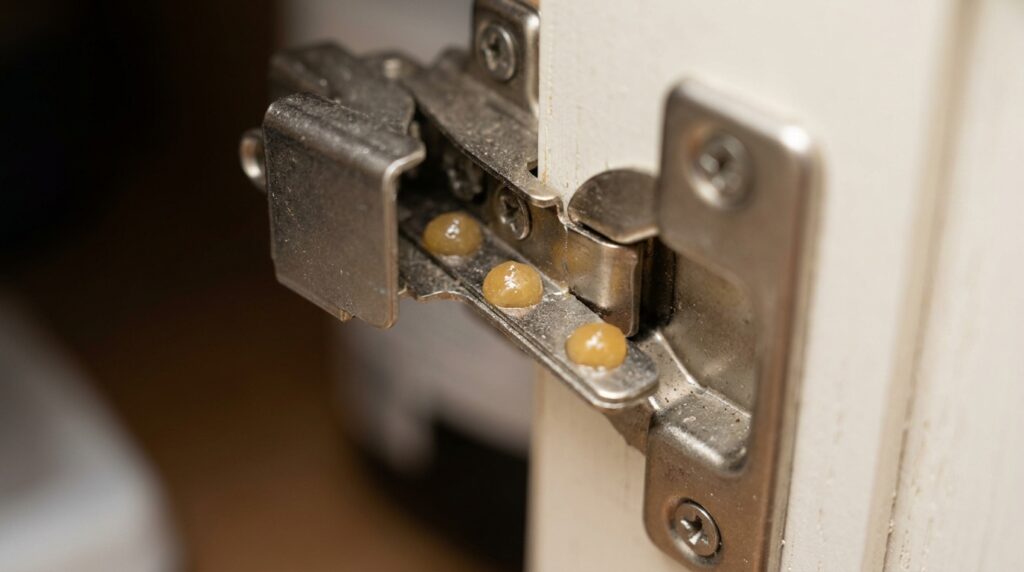
- Apply in small dots (pea-sized, about ¼ inch) — NOT large globs
- Place dots every 6–12 inches in harborage areas and along travel routes
- Target: inside cabinet hinges, along the back wall of cabinets, under appliances, around plumbing
- Apply 3–5 dots per linear foot in active areas
- Do NOT apply near surfaces you’ve sprayed with insecticide — it will repel roaches from the bait
- Replace bait every 3 months or when it dries out
Important: don’t use bait and spray at the same time. Residual insecticide sprays repel roaches away from gel bait and dramatically reduce its effectiveness. Choose one primary approach — if you use gel bait, keep it clean of sprays.
Step 4: Add a Secondary Layer — Boric Acid
Boric acid is a naturally occurring mineral compound that kills roaches by damaging their exoskeleton and digestive system. It’s not fast-acting (takes 3–10 days), but it’s effective as a secondary layer in areas where you can’t place gel bait.
Best option: Harris Boric Acid Roach Powder — https://www.amazon.com/dp/B000BLY0OY?tag=wrenchreadyho-20
Where to apply boric acid:
- Inside the void space between kitchen cabinets and the wall (accessible via removing the kick plate)
- Behind the refrigerator motor — apply a thin line along the floor
- Inside electrical outlet boxes on the wall (turn off power first)
- Under the dishwasher, behind the motor
Critical application rule: thin is better.
Apply a very light dusting — almost invisible to the naked eye. A thick pile of boric acid powder repels roaches; they walk around it. The goal is to coat surfaces roaches walk through so they pick it up on their legs and antennae.
Keep boric acid completely dry. It loses effectiveness when wet. Don’t apply under sinks or anywhere moisture is present.
Step 5: Eliminate What’s Sustaining the Infestation
Even the best bait treatment will only hold temporarily if roaches have abundant food and water. These are the changes that prevent reinfestation:
Food:
- Store all dry food (cereal, flour, sugar, pet food) in sealed hard containers — cockroaches chew through cardboard and thin plastic
- Clean up crumbs immediately, especially under and around appliances
- Don’t leave dirty dishes in the sink overnight
- Empty the grease trap in the stove regularly
Water (often overlooked):
- Fix any leaking pipes under sinks — even a slow drip is enough water to sustain a roach colony
- Don’t leave standing water in the sink overnight
- Check the drip pan under the refrigerator and empty it regularly
Clutter:
- Remove cardboard boxes from the kitchen — roaches use corrugated cardboard as harborage and lay egg cases in it
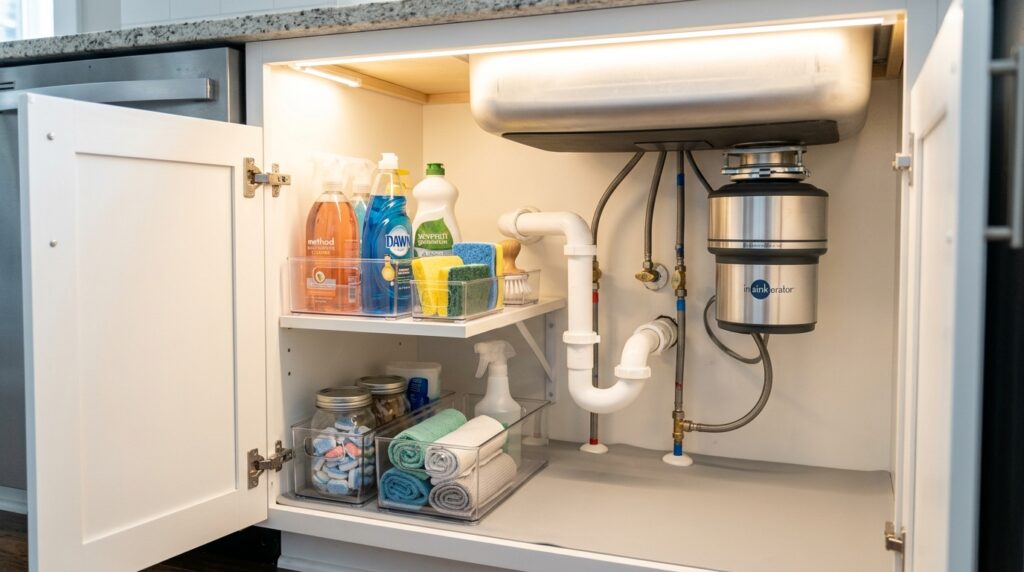
- Clear the area under the sink — the more space roaches have to hide, the harder treatment becomes
Step 6: Seal Entry Points
For American cockroaches entering from outside, or to prevent reinfestation after treatment, seal the routes they use to enter:
- Caulk gaps around plumbing pipes where they enter the wall under sinks and behind toilets
- Seal cracks in the foundation and around windows at ground level
- Install drain covers on floor drains in the basement or utility room
- Use door sweeps on exterior doors, especially the garage
- Caulk the gap between the backsplash and the countertop in the kitchen
This step matters most for preventing recurrence after you’ve cleared the active infestation.
What to Expect: Timeline
Week 1:
You may see MORE roaches at first — bait draws them out of harborage. This is normal and means it’s working.
Week 2–3:
Roach sightings should decrease significantly. Replace any dried-out bait. Add more in areas with continued activity.
Week 4+:
Activity should be minimal. Continue monitoring with sticky traps. Keep bait in place for 30–60 days total even after you stop seeing roaches — egg cases can hatch new nymphs 3–4 weeks after adults are eliminated.
When to call a professional:
If you still have significant activity after 6 weeks of consistent treatment with professional-grade gel bait, the infestation may be too large or too entrenched for DIY. At that point, a pest control professional can apply commercial-grade products (including insect growth regulators injected into wall voids) that aren’t available over the counter.
Frequently Asked Questions
Why do I have cockroaches if my house is clean?
German cockroaches spread primarily through infested items brought into the home — used appliances, grocery bags, cardboard boxes, or secondhand furniture. They don’t require a dirty home to establish a colony. American cockroaches enter from outside through drains, cracks, and gaps regardless of cleanliness. Sanitation helps control an infestation but doesn’t prevent one.
Do roach bombs (foggers) work?
Foggers are largely ineffective for cockroaches. The pesticide mist doesn’t penetrate the tight harborage areas where roaches live — it lands on open surfaces and kills only the few roaches exposed in the open. Worse, foggers spread the colony by driving roaches deeper into walls. Gel bait is consistently more effective than foggers for cockroach control.
How long does it take to get rid of cockroaches completely?
With proper gel bait treatment, most homeowners see major improvement within 2–3 weeks. Complete elimination — including all egg cases hatching — typically takes 4–8 weeks. German cockroach infestations that have been present for months may take longer and may require multiple treatment cycles.
Is it safe to use gel bait with pets and children?
Gel baits like Advion and Combat Max have low toxicity to mammals when used as directed — the active ingredient (indoxacarb) targets insect-specific receptors. Place bait dots in enclosed spaces like cabinet hinges and inside appliances where children and pets can’t access them directly. Boric acid should be kept away from areas where pets and children spend time.
Final Thoughts
Getting rid of cockroaches is a process, not a single treatment. The most common reason people fail is using contact sprays as their main weapon — you kill the roaches you can see, but the colony keeps breeding.
Gel bait, applied correctly in the right locations, reaches the colony. Add boric acid in voids and inaccessible spaces, eliminate food and water sources, and seal entry points. Give it 4–6 weeks and stay consistent.
Dealing with a specific roach situation? Check out our guide on how to get rid of German cockroaches in an apartment for treatment strategies in a shared-building setting.