
This post contains affiliate links. If you buy through our links, we may earn a commission at no extra cost to you.
Every fall, pests seek warmth indoors. A two-hour walkthrough of your home in September or October stops most of them before they get established. Here’s exactly what to check.
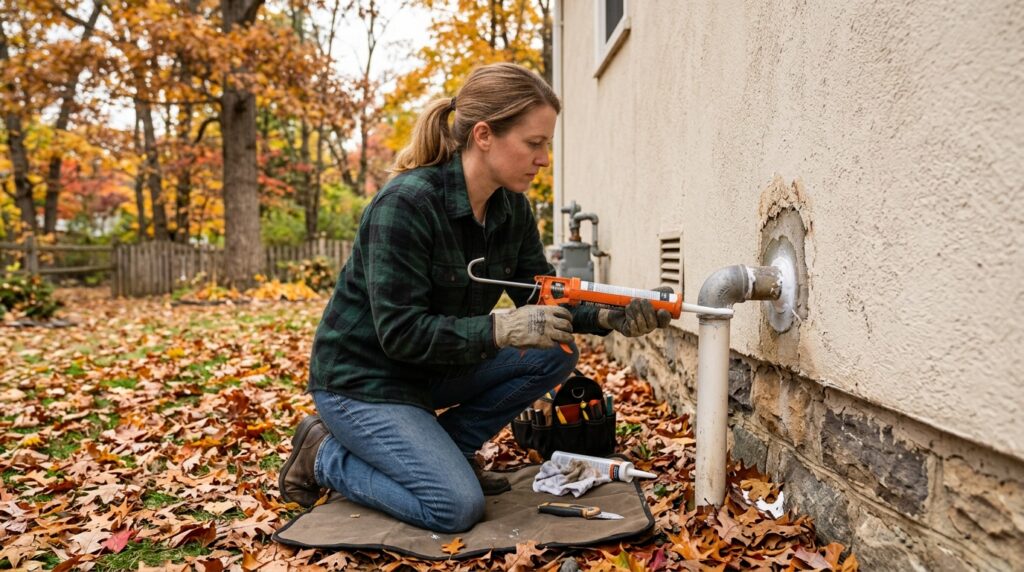
As temperatures drop each fall, pests that thrived outdoors all summer start looking for somewhere warm to wait out the winter. Mice begin entering homes as early as September. Spiders become more visible as they search for mates and shelter. Cockroaches push deeper into heated spaces. Stink bugs and boxelder bugs cluster on south-facing walls before slipping inside.
The window between late September and mid-November is the most important time of year for pest prevention. A two-hour inspection and sealing session now prevents months of infestations that are far harder to deal with once pests are established indoors.
Quick answer: The three highest-impact actions are: seal gaps around pipes and cables where they enter the house, install door sweeps on all exterior doors, and move firewood at least 20 feet from the foundation. These alone stop the majority of fall pest entries.
⭐ Essential Products:
DAP Dynaflex Ultra weatherproof sealant — flexible, paintable, adheres to wood, masonry, and metal. Use to seal gaps around pipes, window frames, and foundation cracks.
Steel wool (Homax brand) — pack into gaps before caulking. Mice and other rodents cannot chew through it.
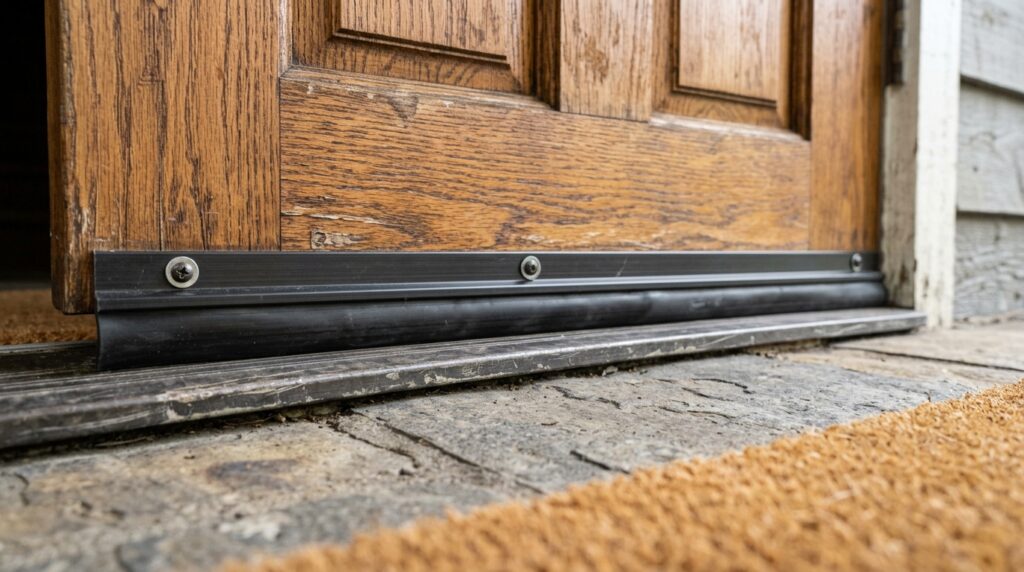
Door sweep (M-D Building Products) — installs under exterior doors to close the gap mice, insects, and cold air use to enter.
Start Outside: The Foundation and Exterior Walls
Most pests enter through the exterior before they reach any interior room. Walking the perimeter of your home and sealing exterior gaps is the single most effective pest prevention action you can take.
Foundation and Sill Plate
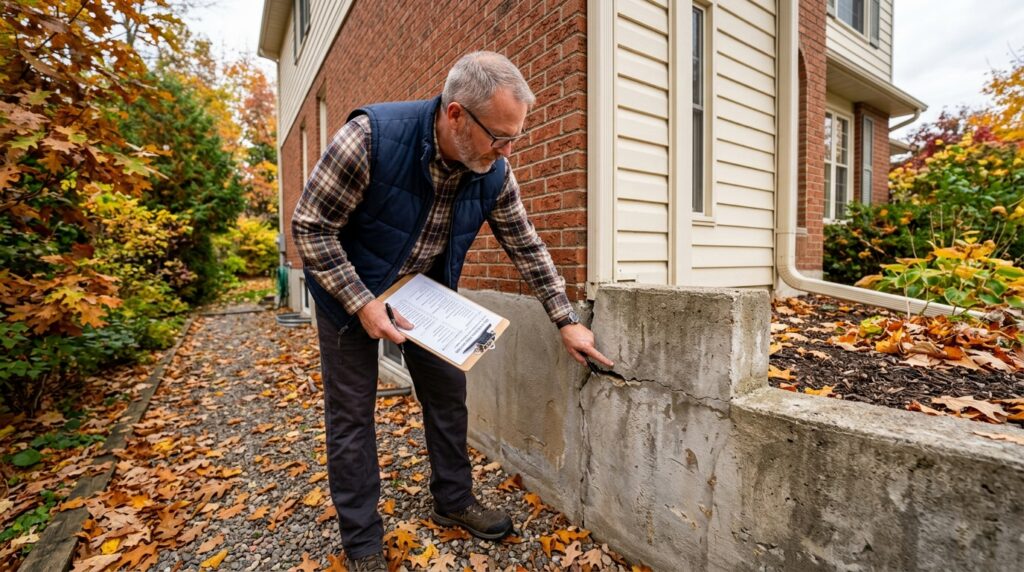
The joint where the foundation meets the wood framing (the sill plate) is one of the most common pest entry points in older homes. Check for gaps, cracks, and areas where mortar has crumbled. Seal with hydraulic cement for foundation cracks, or caulk for smaller gaps at the sill plate.
Utility Penetrations
Every place a pipe, wire, or cable enters the house is a potential pest entry point. Check: gas lines, electrical conduit, cable TV and internet lines, plumbing pipes, AC refrigerant lines, and dryer vents. Pack any gap larger than 1/4 inch with steel wool, then seal with caulk or foam.
Doors and Windows
Stand inside on a sunny day and look for light showing under or around exterior doors — anywhere you see light, a mouse can squeeze through. Replace worn weatherstripping on door frames and install or replace door sweeps. Inspect window screens for tears; replace any damaged screens before winter.
Vents and Overhangs
Foundation vents, dryer vents, range hood vents, and bathroom exhaust vents should all have intact flap covers or fine mesh screens. Replace missing or broken vent covers — these are common entry points for mice, squirrels, and stink bugs.
Kitchen
The kitchen is the primary destination for most pest invaders — food, water, and warmth in one place. Pest-proofing the kitchen focuses on eliminating access to these resources.
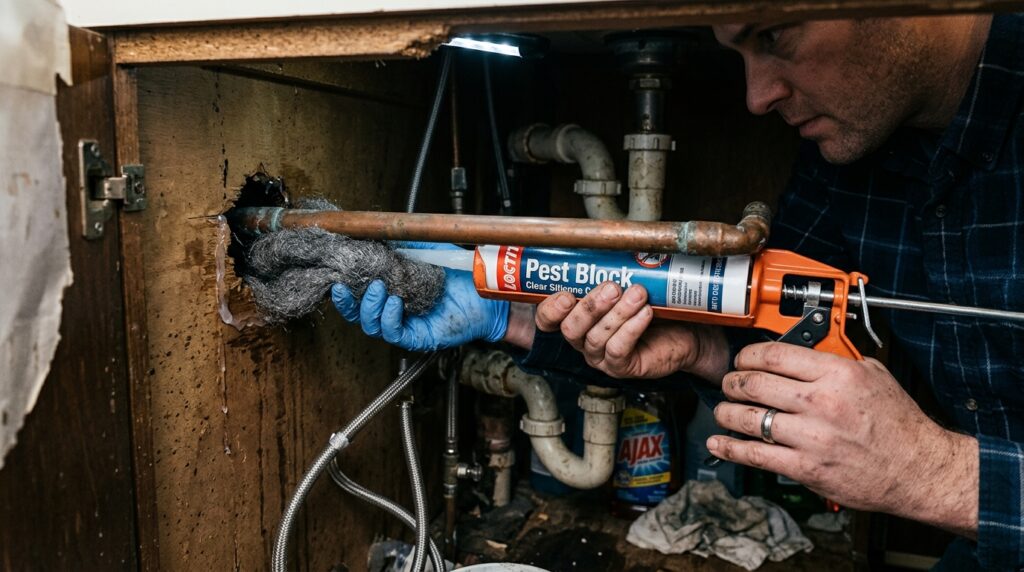
Pipes under the sink: The gap around the pipes where they enter the cabinet wall is one of the most common mouse entry points. Pack with steel wool and seal with caulk. A gap the size of a dime is large enough for a mouse.
Appliance gaps: The space behind the refrigerator and under and behind the stove are warm, dark, and close to food debris. Pull appliances out, clean thoroughly, and inspect for gaps where the floor meets the wall. Seal any gaps larger than 1/4 inch.
Food storage: Transfer dry goods (cereals, pasta, rice, flour, pet food) from cardboard boxes and bags into hard plastic or glass airtight containers. Cardboard is not mouse-proof.
Drain covers: Install drain covers on kitchen sink drains. Cockroaches and drain flies can enter through drain pipes; covers prevent this while allowing normal drainage.
Basement and Crawlspace
Basements are where most pests enter and where populations establish before spreading to living areas. Pest-proofing the basement has outsized impact on the rest of the house.
Moisture control: Run a dehumidifier to keep humidity below 50%. High basement humidity supports the insects (fungus gnats, silverfish, crickets) that spiders, centipedes, and other secondary pests feed on.
Window wells: Install clear plastic covers over basement window wells. These prevent water accumulation (a mosquito breeding site in summer) and block a common entry point for spiders, beetles, and small rodents.
Clutter reduction: Cardboard boxes on the floor are prime habitat for spiders, silverfish, and cockroaches. Shift storage to sealed plastic bins on shelving above floor level.
Sill plate inspection: Walk the perimeter of the basement and inspect the joint between the foundation wall and the floor joists. Seal gaps with caulk or spray foam.
Attic
The attic is the most overlooked area in fall pest-proofing — and one of the most important for preventing squirrel and bat entry, which become active in fall as they seek winter shelter.
Gable vents: Inspect screen covers on gable vents and replace any that are torn, bent, or missing. Squirrels can chew through plastic screens; replace with galvanized hardware cloth.
Roofline gaps: Walk the exterior and look up at the roofline for gaps where the fascia board has pulled away from the soffit. These are prime squirrel entry points. Seal with hardware cloth secured with screws.
Chimney cap: Inspect the chimney cap from the ground with binoculars. A missing or damaged cap allows squirrels, raccoons, birds, and bats to enter. Replace if damaged before winter.
Yard and Perimeter
The yard itself is the source of most pest pressure. Reducing harborage and food sources in the yard reduces the population that eventually tries to enter the house.
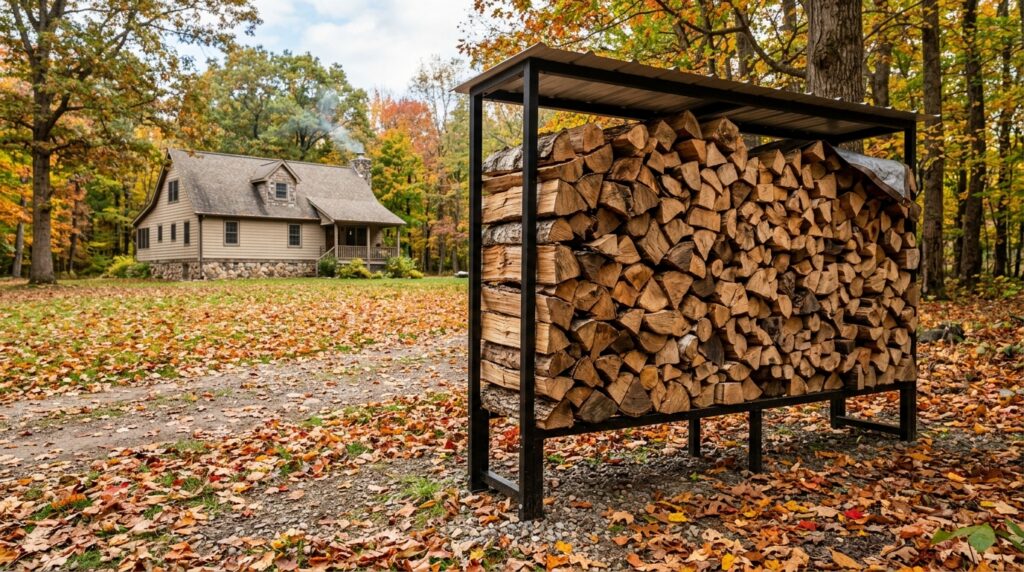
Firewood: Move firewood at least 20 feet from the foundation and elevate it off the ground on a rack. Wood piles are prime winter habitat for mice, spiders, and cockroaches. Bringing wood inside carries these pests directly into the house.
Leaf piles: Don’t let fallen leaves accumulate against the foundation. Leaf piles provide insulated moisture that attracts and harbors a wide variety of overwintering insects and rodents.
Vegetation trimming: Trim shrubs, ivy, and ground cover to at least 12 inches from the foundation. Dense vegetation against the house provides a pest highway directly to the exterior walls.
Tree branches: Cut back branches that touch or overhang the roof. Squirrels, mice, and insects use overhanging branches as a bridge to the roofline.
Winter Pest-Proofing Checklist
Exterior:
☐ Seal all utility penetrations with steel wool + caulk
☐ Install or replace door sweeps on all exterior doors
☐ Inspect and repair window screens
☐ Seal foundation cracks and sill plate gaps
☐ Replace damaged vent covers with hardware cloth
☐ Install window well covers over basement windows
Yard:
☐ Move firewood 20+ feet from house, elevate off ground
☐ Remove leaf piles from around foundation
☐ Trim vegetation 12+ inches from foundation walls
☐ Cut back overhanging tree branches
Interior:
☐ Seal gap under kitchen sink around pipes
☐ Transfer dry food to airtight hard containers
☐ Run basement dehumidifier, target below 50% humidity
☐ Switch basement cardboard storage to sealed plastic bins
☐ Check attic gable vents and roofline for gaps
☐ Inspect chimney cap
Frequently Asked Questions
When should I pest-proof my home for winter?
September through mid-October is the optimal window — after summer pest season winds down but before pests begin actively seeking winter shelter. Mice start entering homes when outdoor temperatures drop below 50°F at night, which in most of the US happens in October. Completing the inspection and sealing before then catches the problem before it starts.
What pests are most common in winter?
Mice are the #1 winter pest in most of the US — they actively seek indoor shelter as temperatures drop and breed year-round once inside. Spiders become more visible in fall as males search for mates. German cockroaches thrive in heated interiors year-round. Stink bugs and boxelder bugs overwinter in large numbers in wall voids and attics.
Does pest-proofing really work?
Yes — significantly. A study by the National Pest Management Association found homes that underwent professional exclusion and sealing had 50–70% fewer rodent entry events than untreated homes. DIY sealing of the most common entry points (door gaps, pipe penetrations, foundation gaps) produces similar results at a fraction of the cost.
How do I know if pests are already inside?
Signs of existing infestations: mouse droppings along baseboards or inside cabinets, gnaw marks on food packaging, scratching sounds at night, spider webs in corners, and live insects around windows. If you find any of these signs during your winter pest-proofing inspection, treat the infestation first before sealing — you don’t want to trap pests inside with a limited exit.
The Bottom Line
Two hours in September or October, working through this checklist systematically, prevents most of the pest problems homeowners deal with all winter. The investment in steel wool, caulk, and door sweeps is a fraction of the cost of dealing with a mouse infestation or a spider population that established itself over three months of cold weather.
Already dealing with a specific pest? Browse our guides by pest type — ants, roaches, mice, mosquitoes, spiders, bed bugs, and wildlife — for targeted treatment plans.